

Best Dark Roast Coffee: 2026 Guide for Hard Workers
Table of Contents
- What Makes a Dark Roast Worth Drinking
- How We Picked the Best Dark Roast Coffee
- Italian Roast: The Darkest, Boldest Option
- 6 Bean Blend: Best Dark Roast Coffee Beans for Espresso
- Low Acidity Dark Roast Coffee: Sumatra and French Roast
- How to Brew Dark Roast Coffee for a Smoother Cup
- Value, Freshness, and What $19.99 Actually Gets You
- Frequently Asked Questions
Last Updated: September 16, 2026
What Makes a Dark Roast Worth Drinking
The best dark roast coffee is defined by how it's roasted, not how dark it looks: beans pulled late in the roast develop deeper oils, lower acidity, and heavier body, and that's what separates a genuinely good dark roast from a burnt one. Blue Collar Brewing roasts every batch to order for exactly this reason. Freshness is the difference between smoky and stale.
How We Picked the Best Dark Roast Coffee
We judged the best dark roast coffee on four things: roast level, origin or blend, freshness, and how it performs in the brewing method you actually use. Every coffee here is roasted to order and sells for $19.99, so the deciding factors are flavor and fit, not price games.
Our criteria:
- Roast profile: how far the beans were taken and whether the oils read as developed or scorched
- Acidity and body: how it sits on the stomach and how heavy the mouthfeel is
- Brewing method fit: espresso, pour-over, drip, or pods
- Freshness: roasted to order rather than sitting on a shelf
Italian Roast: The Darkest, Boldest Option
Italian Roast is the darkest, boldest option in the lineup, a slow-roasted blend of specialty grade Arabica and Robusta built for people who want intensity and don't mind a little bitterness. It's the closest thing to an espresso roast here, and it holds up under milk and sugar without disappearing.
- Best for: espresso, moka pot, and anyone who wants maximum intensity
- Flavor: smoky, bitter, full-bodied
- The catch: unforgiving if you over-extract it
Specialty Coffee Association on roast and extraction
6 Bean Blend: Best Dark Roast Coffee Beans for Espresso
The 6 Bean Blend is the best dark roast coffee beans for espresso in this lineup: a meticulous blend of coffees from around the world, roasted dark as a house blend and built to pull a thick, syrupy shot. If you own an espresso machine and want one bag that works every morning, start here.

| Coffee | Roast Level | Best Brewing Method | Flavor Notes |
|---|---|---|---|
| Italian Roast | Darkest | Espresso, moka pot | Smoky, bitter, intense |
| 6 Bean Blend | Dark | Espresso, drip | Balanced, full-bodied |
| French Roast | Dark | Drip, pour-over | Bold, low acidity |
| Sumatra | Dark | Pour-over, French press | Earthy, dark chocolate |
| Cowboy Blend | Dark + medium | Drip | Cocoa, caramel, vanilla |
Low Acidity Dark Roast Coffee: Sumatra and French Roast
Sumatra and French Roast are the two lowest-acidity options here, and that's the whole reason to buy them. If regular coffee leaves you with an acidy stomach or a jittery edge, a low acidity dark roast coffee is the fix, because the longer roast breaks down more of the compounds that cause that bite.

How to Brew Dark Roast Coffee for a Smoother Cup
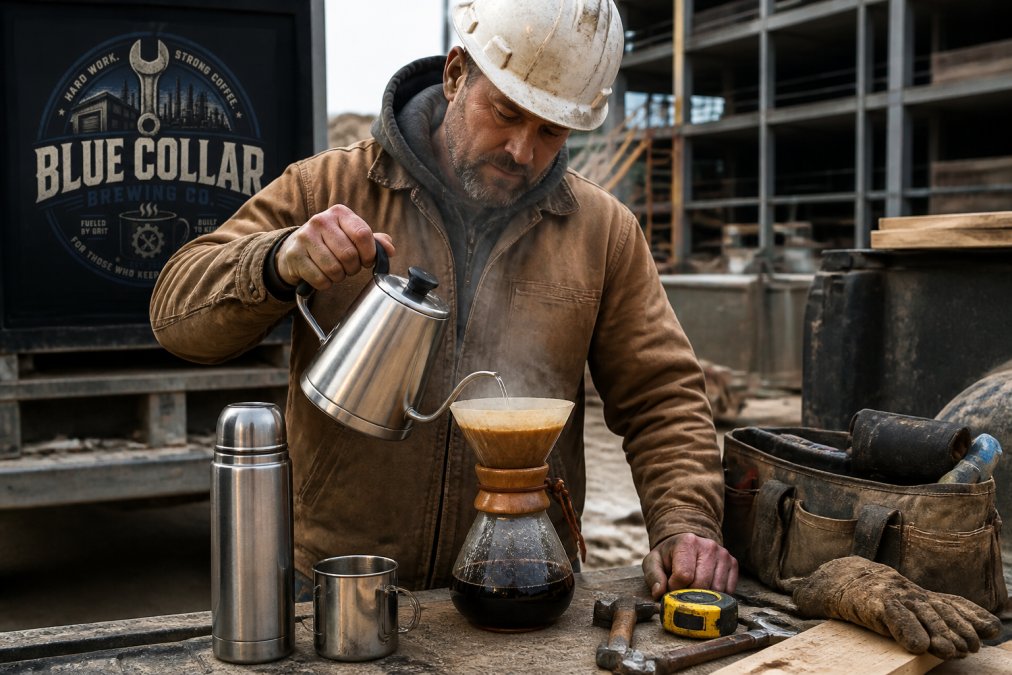
The best way to brew dark roast coffee for a smoother cup is to lower your water temperature and shorten your brew time. Dark beans are more porous and extract faster than light roasts, so the standard advice of near-boiling water and long steeps is exactly what makes them taste bitter.
Why dark roasts behave differently in the brewer
Roasting does two things that change how a bean gives up its flavor. First, the long roast cracks the bean's cell walls and drives off moisture, so hot water reaches the soluble material faster. Second, it burns off much of the chlorogenic acid and other bright, fruity compounds that define a light roast, leaving behind the caramelized sugars and Maillard reaction products that read as chocolate, smoke, and toasted nuts.
The three variables, with real numbers
- Water temperature: 195-200°F instead of a rolling boil. If you do not own a variable-temperature kettle, boil and then wait 30-45 seconds before pouring. Water above 205°F is the single most common cause of a bitter dark roast.
- Grind size: go one step coarser than you would for a light roast of the same origin. Dark beans are more brittle and shatter into more fines at a given setting, and those fines are what clog a pour-over and stall a French press.
- Ratio: start at 1:15 (one gram of coffee to 15 grams of water) and adjust to taste. If the cup tastes hollow and watery, tighten to 1:14. If it tastes sharp and drying, loosen to 1:16 before you touch anything else.
Per-method adjustments
| Method | Water Temp | Grind | Time | Key Move |
|---|---|---|---|---|
| Pour-over | 195-200°F | Medium-coarse | 2:30-3:00 | Slow, gentle spiral pour; avoid agitating the bed |
| French press | 195-200°F | Coarse | 4:00 | Skim the crust, press slowly, decant immediately |
| Drip | 195-200°F | Medium | Per machine | Use a paper filter to catch fines |
| Espresso | 195-200°F | Fine | 25-30 sec | Pull a shorter shot and cut it a second early |
| Moka pot | Preheated water | Fine-medium | Off heat at first sputter | Take it off the burner before it gurgles |
For pour-over, a slower, gentler pour keeps the bed from channeling. For French press, a four-minute steep is plenty; longer just adds bitterness. In a drip machine, the biggest upgrade is a paper filter, it traps the fines that dark roasts shed and keeps the cup from turning muddy.
The one adjustment almost nobody makes
Let the coffee rest. A bag roasted to order and opened the day it arrives will taste flat and gassy, because the beans are still off-gassing carbon dioxide. Most practitioners find that dark roasts peak somewhere between four and ten days after the roast date, and that window is shorter than a light roast's. If your first cup from a fresh bag tastes thin, wait three days and try again before you change your recipe.
Value, Freshness, and What $19.99 Actually Gets You
Every coffee in this lineup sells for $19.99, and the value question is really a freshness question. "Fresh-roasted to order" only matters if it reaches you quickly, so judge any roaster on how many days pass between roast and doorstep, not on the marketing language.
How to read a roast date
A roast date is the only date on a coffee bag that tells you anything useful. A "best by" date is set by the roaster and can be months out from the actual roast, which makes it a marketing tool rather than a freshness measure. If a bag has no roast date at all, assume it is older than you would like.
What $19.99 buys in this category
Specialty coffee pricing varies widely by origin, processing method, and lot size, so a single number is not a quality signal on its own. What $19.99 buys here is a roasted-to-order bag from a small roaster, which is the middle of the specialty range, above grocery-shelf commodity coffee, below the single-lot micro-roaster tier where a 12-ounce bag can run considerably more.
Storage: the part that undoes everything
Freshness is not just about shipping speed. How you store the bag after it arrives decides whether you get two good weeks or two good days.
- Keep it sealed and away from air. Oxygen is the main enemy. A one-way valve bag that you squeeze the air out of and reseal works better than a decorative canister that lets air in every time you open it.
- Keep it out of light. Ultraviolet light degrades the oils on a dark roast's surface. An opaque bag or a cabinet beats a clear jar on the counter.
- Keep it cool and dry, but not the refrigerator. The fridge cycles through temperature and humidity changes every time the door opens, and coffee is porous enough to absorb whatever else is in there. The freezer is a different conversation, it works if you portion into airtight bags and never thaw and refreeze, but it is more trouble than most people need.
- Buy smaller, more often. A 12-ounce bag you finish in two weeks beats a two-pound bag you finish in two months, even at a lower per-ounce price.
Buying dark roast in bulk to save money backfires if it sits for months. Buy what you will drink in a few weeks and reorder, or the "savings" cost you the flavor.
The grind-date rule
Whole bean stays fresh far longer than pre-ground, because grinding exposes the entire surface of the coffee to oxygen at once. If you can, grind right before you brew. If you cannot, buy whole bean and grind at the store in the smallest quantity you will use in a week, not the whole bag.
Frequently Asked Questions
Does dark roast coffee have more caffeine than light roast?
Not necessarily. Caffeine content depends more on the coffee-to-water ratio and brewing method than on roast level. Dark roast coffee beans lose some mass during longer roasting, so if you measure by scoop rather than weight, a dark roast may actually deliver slightly less caffeine per cup. What dark roast coffee does give you is a bolder, fuller-bodied flavor that many workers prefer for early shifts.
What is a smooth dark roast coffee?
A smooth dark roast coffee has low bitterness and a clean finish, often with caramel-like sweetness or chocolate undertones. Coffees like Sumatra and French Roast from Blue Collar Brewing deliver syrupy body and earthy notes without the harsh bite some dark roasts have. Freshness matters too: coffee roasted to order and used within a few weeks of the roast date tastes noticeably smoother than stale beans sitting on a shelf.
Which dark roast is best for espresso?
The 6 Bean Blend from Blue Collar Brewing is built for espresso. It combines coffees from around the world into a house blend that pulls rich, consistent shots with bold flavor and a thick mouthfeel. For espresso, you want a dark roast coffee that stands up to high pressure and delivers chocolate undertones and caramel-like sweetness without turning bitter. Use a fine grind size and a 1:2 water-to-coffee ratio as a starting point.
Is low acidity dark roast coffee easier on the stomach?
Dark roast coffee tends to have lower acidity than light roast because the longer roasting process breaks down some of the acids found in green beans. If you have sensitivity to acidic coffee, a low acidity dark roast coffee like Sumatra or French Roast may be more comfortable. That said, individual tolerance varies, and cold brew methods can further reduce perceived acidity. Try a small bag before committing to a larger order.
How fresh is coffee that is roasted to order?
Coffee roasted to order is typically shipped within one to two days of roasting, meaning it reaches your door within a week. That matters because coffee starts losing its aroma and flavor within two to three weeks of roasting. Whole bean coffee stays fresh longer than ground coffee, so if you want maximum flavor and aroma, buy whole bean and grind just before brewing.