

Is Premium Coffee Worth the Price
Table of Contents
- What Defines Premium Coffee Worth the Price
- Specialty Coffee vs Supermarket Coffee: The Real Differences
- The Cost Breakdown: What You're Actually Paying For
- Cost Per Cup of Premium Coffee: The Math That Matters
- Benefits of Fresh Roasted Coffee for Your Daily Brew
- The Diminishing Returns Threshold: When More Expensive Stops Meaning Better
- Is Premium Coffee Worth It for You
- Frequently Asked Questions
Last Updated: September 19, 2026
What Defines Premium Coffee Worth the Price
Premium coffee results from intentional choices in sourcing, roasting, and freshness that deliver measurable differences in flavor, aroma, and overall experience. When evaluating is premium coffee worth the price, you're asking whether those choices justify the cost.
Premium coffee comes from single-origin beans or curated blends sourced from specific regions for quality. These beans are selected for their terroir, altitude, soil, climate, and farming practices that shape character. Blue Collar Brewing sources from trusted farms worldwide, so each batch reflects specific growing conditions rather than generic consistency.
Coffee oxidizes immediately after roasting, accelerating over time. A bag roasted six months ago tastes fundamentally different from one roasted last week. Roasting to order eliminates the gap between roast date and brewing day, a measurable difference in the cup.
Specialty Coffee vs Supermarket Coffee: The Real Differences
Supermarket coffee is commodity-grade, roasted weeks or months before purchase and stored in conditions that accelerate staling. Roasting is engineered for broad appeal rather than complexity, producing flat, generic-tasting coffee.
Specialty coffee uses higher-grade beans scored 80+ on cupping protocols (supermarket coffee scores 70 or below). Roasting is precise, tailored to highlight specific notes and acidity. Specialty roasters publish roast dates prominently because freshness is a selling point.
Specialty coffee displays flavor complexity, fruit, chocolate, nuts, or flowers depending on origin and roast. Supermarket coffee tastes generic. These differences in body, acidity, extraction yield, and chemical composition are measurable, not subjective.
The Cost Breakdown: What You're Actually Paying For
Green bean cost: Specialty-grade beans cost more at auction. Farms producing 85+ cupping scores invest in selective harvesting, careful processing, and quality control. Commodity coffee prioritizes volume over selectivity.
Roasting operation: Small-batch roasting requires equipment, expertise, and labor with higher per-pound overhead than industrial roasters. Fresh-roasted coffee costs more than bulk-roasted coffee roasted months earlier.
Supply chain transparency: Direct trade relationships and ethical sourcing require verification and certification, costing more than commodity broker purchases.
Packaging: Premium coffee uses one-way valve bags that preserve freshness longer than standard supermarket packaging.
Cost Per Cup of Premium Coffee: The Math That Matters
The sticker price on a bag tells only part of the story. What matters is cost per cup, and that depends on your brewing method, extraction efficiency, and how much coffee you actually need to achieve a satisfying result.
A 12-ounce premium bag at $20 ($1.67/oz) costs roughly $0.84 per 8-ounce cup (using 0.5 oz coffee). Supermarket coffee at $0.50/oz costs $0.25 per cup, a $0.59 difference.
But brewing method changes this math significantly:
French Press: Uses 1:15 ratio (0.53 oz per 8-oz cup). Full immersion extracts efficiently. Premium cost: ~$0.88/cup; supermarket: ~$0.27/cup. French Press is forgiving with inconsistent technique, so premium beans aren't required.
Pour-over: Requires precision in grind, temperature, and technique. Premium cost: ~$0.80/cup; supermarket: ~$0.24/cup. Pour-over rewards investment in a grinder and technique training; premium beans make sense if you're committed to precision.
Espresso: Uses 1:2 ratio (0.5 oz per shot). Premium cost: ~$0.84/shot; supermarket: ~$0.25/shot. Espresso drinkers benefit from premium beans because the machine forces precision, but equipment cost ($300-$3,000+) is the primary investment.
Extraction efficiency: Premium coffee reveals brewing mistakes immediately due to higher cupping scores and nuanced chemistry. Poor technique wastes premium beans; precise brewing extracts more flavor from fewer grounds, making premium coffee more efficient per cup than the math suggests.
Real-world scenario: A tradesperson drinking two cups daily: premium costs $52.80/month vs. $16.20 supermarket, a $36.60 difference. A crew of five: $264/month premium vs. $81 supermarket, $183 difference. Value depends on taste preference, ritual value, and brewing method. Basic drip machines with inconsistent water temperature waste premium beans; precision equipment justifies the cost.
Benefits of Fresh Roasted Coffee for Your Daily Brew
Fresh-roasted coffee delivers immediate sensory benefits that stale coffee cannot. The aroma alone, that rich, complex smell of coffee roasted days ago rather than months ago, signals that something different is happening in your cup.
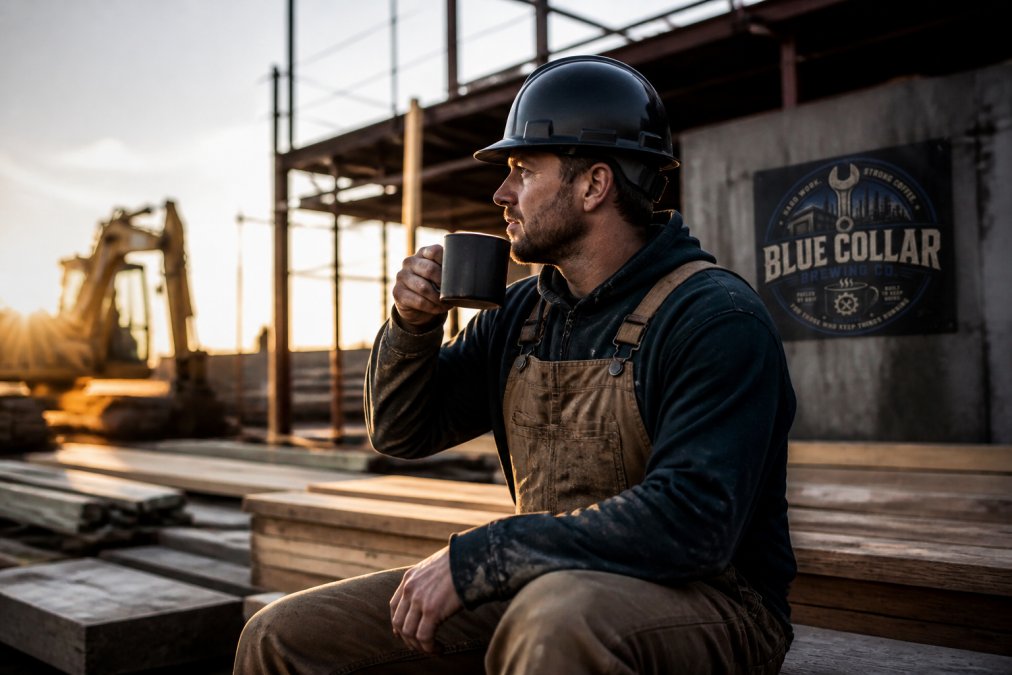
Flavor complexity emerges in fresh coffee. You taste distinct notes instead of generic "coffee." A fresh-roasted single-origin might show berry acidity and chocolate body. A specialty blend might highlight caramel sweetness with a clean finish. These flavor profiles fade as the coffee ages. After two months, that complexity flattens into a one-dimensional taste.
Energy delivery changes too. Fresh coffee contains higher levels of volatile compounds that contribute to the sensory experience and, anecdotally, the perceived lift. While caffeine content doesn't vary dramatically, the overall experience feels sharper and more satisfying. For someone working a physical job, that psychological boost from a genuinely good cup might matter more than the marginal caffeine difference.
Smoothness is another benefit often overlooked. Fresh-roasted coffee brewed correctly has a clean taste without harsh, burnt notes. Stale coffee often tastes bitter or flat, which some people mask with cream and sugar. Premium fresh-roasted coffee often tastes good black, which means you're not adding calories or diluting the flavor you paid for.
The ritual aspect matters too. Taking a genuine coffee break with something you actually enjoy tastes different from grabbing whatever's available. For hardworking professionals, that moment of quality can be a meaningful part of the day.
The Diminishing Returns Threshold: When More Expensive Stops Meaning Better
At some point, spending more on coffee stops delivering proportional improvements in flavor and experience. Understanding where that threshold sits for you, and learning to actually taste the difference, is crucial to answering whether premium coffee is worth the price.
The jump from supermarket to specialty-grade: This is dramatic and immediately noticeable, even for untrained palates. You'll detect the difference in aroma alone. Supermarket coffee smells generic; specialty-grade coffee roasted within the past two weeks smells complex and vibrant. In the cup, specialty coffee has clarity, you can identify distinct flavor notes rather than a one-dimensional "coffee" taste. This jump typically costs $0.50-$1.00 more per cup, and most people find it worthwhile.
The jump from solid specialty ($15-18 per bag) to premium single-origin ($22-28 per bag): This is where diminishing returns begin. The difference is real but requires a trained palate to appreciate fully. A specialty coffee at $16 per bag might show chocolate and caramel notes. A premium single-origin at $25 per bag might add berry acidity and floral undertones. The improvement is genuine, but it's subtle, you have to be actively tasting for it.
Learning to taste the difference (the sensory training gap): Most people buy premium beans but lack the framework to justify the cost because they can't identify what they're tasting. Here's how to develop that skill:
-
Start with a reference comparison: Brew the same premium coffee two ways, one fresh (roasted within 5 days) and one stale (roasted 4 weeks ago). Taste them side by side. The fresh coffee will have more aroma, brighter acidity, and cleaner finish. This teaches your palate what "freshness" tastes like.
-
Learn the flavor wheel: The Specialty Coffee Association publishes a flavor wheel that maps common coffee descriptors (fruit, chocolate, nuts, flowers, spice, etc.) (How to Use the Coffee Taster’s Flavor Wheel in Eight Steps). When you taste a coffee, reference the wheel and actively search for one of those notes. Don't guess, taste specifically for "berry" or "chocolate." This trains your palate to detect complexity instead of experiencing coffee as a blur.
-
Taste with intention: Slurp the coffee (yes, slurp, it aerates the liquid and distributes it across your palate). Notice the aroma, the initial taste, the body (how it feels in your mouth), and the finish (what lingers after you swallow). Write down what you notice. This deliberate tasting reveals differences that casual sipping misses.
-
Compare within the same origin: Buy two different roasts of the same single-origin coffee (one light roast, one medium roast, from different roasters if possible). Taste them back-to-back. You'll notice how roast level changes the flavor profile. This teaches you that the same beans can taste different based on roasting choices, which helps you understand why roaster reputation matters.
The premium-to-ultra-premium jump ($25-35 to $40-60 per bag): This is where you're paying for scarcity and exclusivity more than proportional flavor improvement. A rare, limited-lot coffee might be genuinely exceptional, but the difference between a good specialty coffee and a rare one is subtle.
Is Premium Coffee Worth It for You
The answer depends on three factors: how much coffee you drink, how much you value the experience, and how much the cost impacts your budget.
Frequently Asked Questions
Does expensive coffee actually taste better to the average drinker?
Yes, if the coffee is fresh-roasted. Premium coffee roasted to order retains more flavor compounds and aromatic complexity than supermarket beans that sit on shelves for months. The difference is most noticeable in the first few weeks after roasting. A fresh-roasted single-origin bean will taste brighter and more nuanced than commodity coffee, even for someone without refined palate training. Stale coffee tastes flat and bitter regardless of origin.
What is the actual price difference between premium coffee and supermarket brands?
Premium specialty coffee from Blue Collar Brewing, like our Whiskey Barrel Aged or Coffee with Mushrooms Dark Roast, costs $19.99 for a 12 oz bag. Our 12 Pack Single Serve Coffee Capsules are $18.99. While supermarket brands are generally less expensive per bag, the cost per cup can vary depending on brewing method and how much coffee you use. The difference in taste and freshness is often the key factor for many.
How fresh is fresh-roasted coffee when it arrives, and does it matter?
Coffee roasted to order and shipped typically arrives 3-7 days after roasting. This is optimal for flavor. Freshness matters significantly: coffee peaks in flavor complexity between 5-30 days after roasting, then gradually loses aromatic brightness and sensory notes due to oxidation. Supermarket coffee is often 2-6 months old, well past its peak. The difference in cup quality is substantial, fresh-roasted delivers noticeably brighter, more complex flavor and better aroma.
Is premium coffee worth it if I'm not a coffee snob?
Yes. You don't need to taste tasting notes or understand terroir to notice that fresh-roasted coffee tastes better than stale coffee. Premium coffee delivers a smoother, richer, less bitter cup, benefits anyone can perceive. For hardworking professionals who rely on coffee for energy and comfort during long shifts, the improvement in flavor and aroma justifies the cost. The real value isn't in becoming a connoisseur; it's in experiencing coffee that actually tastes good.
If you're ready to experience the difference fresh-roasted coffee makes, Blue Collar Brewing delivers premium coffee roasted to order specifically for people who value quality and reliability. With beans sourced from trusted farms worldwide and fast, dependable delivery, you get maximum flavor and aroma in every cup, no guessing about freshness, no stale bags sitting on shelves. Shop Coffee and discover why the premium is worth it.
