

Subscription Coffee vs. Store: Real Cost Breakdown
Table of Contents
- Subscription Coffee vs. Store-Bought: Quick Comparison
- Cost Per Cup of Coffee Calculation: What You Actually Spend
- Freshness and Shelf Life: Roasted-to-Order vs. Retail
- Best Coffee Subscription Services: Value and Convenience
- Hidden Costs: Shipping, Subscriptions, and Impulse Buying
- How to Store Coffee Beans for Maximum Freshness
- Which Option Wins for Your Situation
- Frequently Asked Questions
Last Updated: September 1, 2026
Subscription Coffee vs. Store-Bought: Quick Comparison
Is subscription coffee cheaper than store-bought? The answer depends on what you're comparing. A cup from a specialty subscription service typically costs between $0.75 and $1.50 per serving, while grocery store coffee runs $0.30 to $0.80 per cup. However, that gap narrows significantly when you account for freshness, quality, and actual value. At Blue Collar Brewing, we've analyzed this question directly because our audience, construction workers, logistics professionals, and maintenance technicians, needs straightforward answers about value, not marketing spin.
The real cost of coffee isn't just the price per pound. It's about freshness at the point of brewing, how long beans stay viable, and whether you're throwing away stale product. A subscription service roasts to order, meaning your beans hit peak flavor within days of arrival. Grocery store coffee has already lost significant character by the time it reaches the shelf, sometimes months after roasting.
If you're buying convenience store or gas station coffee daily, switching to either subscription or quality grocery beans saves money and tastes better. If you're already buying decent grocery coffee, the subscription premium is real, but so is the freshness advantage. Below, we'll show you exactly how to calculate your actual cost per cup and which option makes sense for your situation.
| Option | Cost Per Cup | Freshness | Convenience | Best For |
|---|---|---|---|---|
| Subscription (Blue Collar Brewing) | $0.95-$1.50 | Peak (roasted to order) | Delivery to door | Quality-focused, consistent drinkers |
| Premium Grocery Beans | $0.50-$1.00 | Moderate (shelf age unknown) | Immediate availability | Budget-conscious, occasional drinkers |
| Standard Grocery Coffee | $0.30-$0.60 | Low (often stale) | Immediate availability | Price-sensitive, low frequency |
| Convenience Store/Gas Station | $2.00-$3.50 | Poor (pre-brewed or old beans) | Instant | Emergency only |
Cost Per Cup of Coffee Calculation: What You Actually Spend
The real cost per cup isn't what the bag costs divided by servings. You need to account for brew method, water loss during brewing, and whether you're actually using all the coffee before it goes stale.
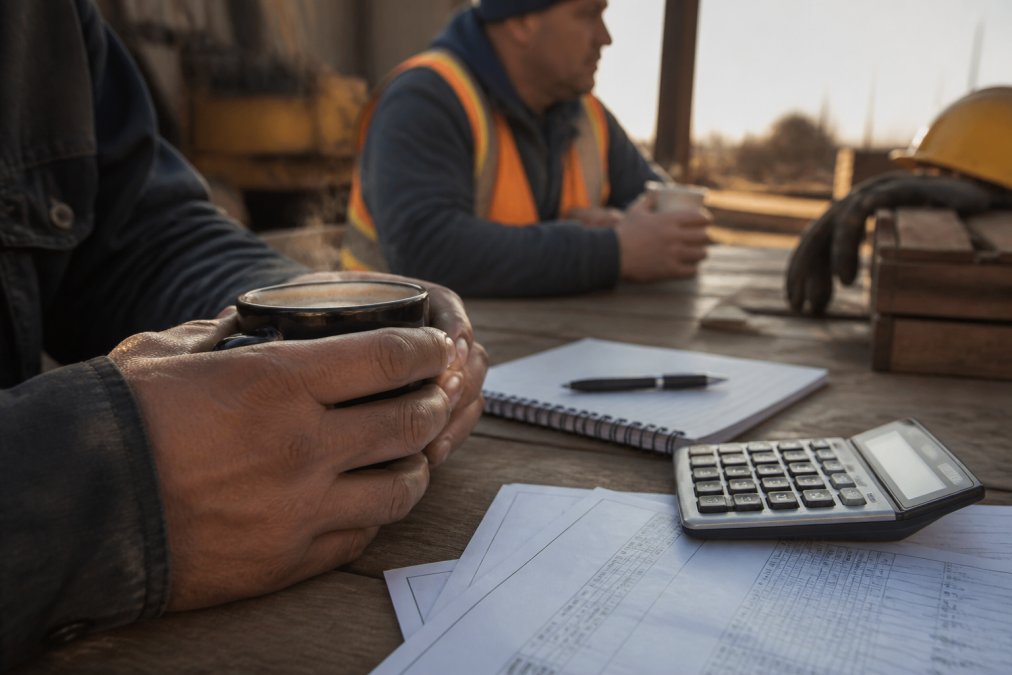
A 12-ounce bag of specialty coffee costs around $18.99 and yields roughly 12-14 cups depending on brew strength and method. That's $1.36-$1.58 per cup before accounting for water and electricity. Blue Collar Brewing's 12-pack single-serve capsules at $18.99 works out to about $1.58 per capsule with no waste.

Grocery store whole beans at $8-$12 per pound yield about 16 cups, so $0.50-$0.75 per cup. But grocery store beans often sit on shelves for weeks or months before you buy them, then sit in your cabinet for weeks more. If you're brewing stale coffee, you're paying for flavor you won't get. Many people compensate by using more grounds, which pushes that per-cup cost up and defeats the savings.
The hidden cost in subscription is shipping, typically $5-$8 per delivery, which adds roughly $0.35-$0.55 per cup if you're ordering monthly. But if you're comparing a subscription service that roasts fresh against grocery store coffee that's already lost its peak flavor window, the subscription often delivers better value per ounce of actual usable coffee.
For a construction crew or job site, bulk ordering changes the equation. Blue Collar Brewing's 60-pack single-serve capsules at $59.99 works out to about $1.00 per capsule, lower than the 12-pack and more practical for teams that go through coffee fast.
Freshness and Shelf Life: Roasted-to-Order vs. Retail
Roasted-to-order coffee tastes measurably different from retail coffee. Coffee beans begin losing flavor the moment they're roasted. Days 5-14 after roasting are the peak window, when flavor is at its best (peer-reviewed research). After 30 days, the flavor starts to flatten noticeably (peer-reviewed research). After 60 days, most coffee tastes noticeably stale.
When you buy coffee from a grocery shelf, you don't know when it was roasted. The bag might say "roasted on" a date, but that date is often 2-4 weeks old by the time it reaches the shelf. If that bag sits in your cabinet for another week before you open it, you're brewing coffee that's 3-5 weeks past its peak.
Subscription services like Blue Collar Brewing roast to order, meaning your beans ship within 1-2 days of roasting and arrive around day 3-5 after roasting, right at the start of the peak flavor window. You get 2-3 weeks of optimal flavor instead of 1-2 weeks.
Single-origin specialty coffee shows this difference most clearly. Blue Collar Brewing's Peru Coffee Pods highlight salted caramel and citrus notes, flavors that fade quickly in older beans. The Mexico Coffee Pods deliver lemon and dark chocolate notes that require freshness to shine. Buy those beans from a grocery shelf 4 weeks after roasting, and you're paying premium prices for a muted version of what you should taste.
Ground coffee oxidizes faster than whole beans because it has more surface area exposed to air (peer-reviewed research). If you're buying pre-ground grocery coffee, you're losing flavor within days of the bag opening.
If you're a daily drinker who values flavor, subscription roasted-to-order coffee delivers better value than grocery beans of similar quality. If you drink coffee once or twice a week, the freshness advantage matters less.
Best Coffee Subscription Services: Value and Convenience
Subscription coffee services range from ultra-premium single-origin specialty roasters to bulk commodity suppliers. The real comparison isn't "which is cheapest" but "which delivers the best value for how you actually drink coffee."
Blue Collar Brewing positions itself directly for people who need consistent, high-quality coffee without fuss. The brand sources beans from trusted farms worldwide and roasts every batch to order, ensuring maximum flavor and aroma. For someone working construction, logistics, or maintenance, jobs that start early and run long, that reliability matters more than chasing trends.
The 12-pack single-serve capsules at $18.99 suit occasional drinkers or those testing the brand. The 60-pack at $59.99 makes sense for daily drinkers or small teams. Single-origin options like the Peru Coffee Pods ($18.99 for 12 capsules) and Mexico Coffee Pods ($18.99) let you experiment with different flavor profiles. The Bali Coffee Pods ($18.99) offer a darker roast with chocolate and molasses notes.

Single-serve capsules eliminate the guesswork of measuring, grinding, and brewing. They're consistent cup to cup. For someone grabbing coffee before a shift, that consistency is valuable.
Shipping is the friction point. Most subscription services charge $5-$10 per delivery, and you're locked into a frequency. Blue Collar Brewing's straightforward ordering process and reliable delivery mean fewer surprises, but you still need to plan ahead.
Hidden Costs: Shipping, Subscriptions, and Impulse Buying
The sticker price of coffee is rarely the full cost. Shipping, subscription lock-in, and the psychology of recurring charges add up.
Shipping is the most obvious hidden cost. A $18.99 bag of specialty coffee becomes $24-$27 after shipping. Some services offer free shipping at a threshold (usually $50+), which incentivizes you to order more than you need. You save on shipping but spend more upfront, and you're betting that coffee stays fresh long enough to use it.
Subscription lock-in is real. You commit to a frequency and the service charges automatically. If you travel for work, get injured, or simply drink less coffee that month, you're still paying. Blue Collar Brewing doesn't make cancellation difficult, but the friction exists across the industry.
Impulse buying within subscriptions is subtle but costly. Once you're in the habit of ordering, it's easy to add a single-origin bag you've been curious about. That one-time upgrade becomes routine, and you're spending 30-40% more than your original plan.
Grocery store coffee has different hidden costs. You might buy a bag on sale and stock up, only to have it sit and go stale. You might run out mid-week and grab convenience store coffee at $2.50 a cup to bridge the gap, wiping out a week's savings.
A consistent daily drinker who commits to a subscription and never deviates saves money and gets better coffee. Someone who drinks sporadically, travels, or has inconsistent schedules often pays more with a subscription because they're paying for coffee they don't use.
How to Store Coffee Beans for Maximum Freshness
How you store coffee after it arrives matters as much as how fresh it was when shipped. Poor storage kills the advantage of roasted-to-order beans.
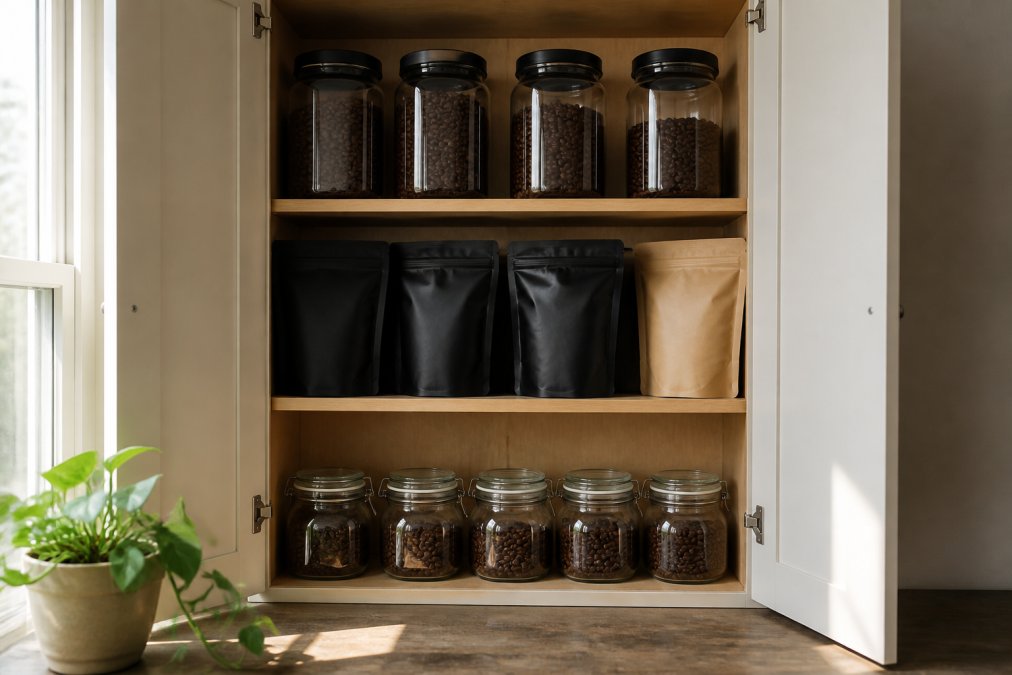
Coffee's enemies are air, heat, light, and moisture. An opened bag of beans sitting on a kitchen counter loses quality noticeably within a week. The same beans in a sealed, opaque container in a cool, dark cabinet stay fresh for 2-3 weeks.
Single-serve capsules like Blue Collar Brewing's are sealed with no oxygen inside, which means they stay fresh longer than whole beans once opened. Keep them in a cool place, away from direct sunlight and heat sources. A pantry or cabinet is ideal.
Whole beans should go into an airtight container immediately after opening the bag. Glass or ceramic with a tight seal works well. Avoid clear containers, as light degrades coffee. Don't store beans in the refrigerator or freezer unless you're planning to keep them for months; temperature swings and condensation cause more damage than shelf storage.
Grind only what you need immediately before brewing. Ground coffee oxidizes fast, becoming noticeably flatter within hours. If you must buy pre-ground, use it within 2-3 days.
For a construction crew or job site, single-serve capsules make sense because they're already portion-controlled and sealed. You grab what you need, brew it, and don't worry about the rest going stale.
Which Option Wins for Your Situation
The answer to "is subscription coffee cheaper than store" depends entirely on your drinking habits, quality expectations, and tolerance for friction.
Choose subscription coffee if:
- You drink coffee daily and value consistent flavor
- You want fresh-roasted beans without managing your own supply chain
- You're willing to plan ahead and commit to a regular schedule
- You work jobs with unpredictable hours but want reliable quality during breaks
- You're part of a crew or team that goes through coffee fast and benefits from bulk ordering
Blue Collar Brewing's approach works here. The brand roasts to order, handles reliable delivery, and offers both single-origin options for variety and bulk packs for teams. For someone working construction or logistics who needs coffee that doesn't disappoint, the per-cup premium over grocery coffee is small enough to justify the freshness and convenience.
Choose grocery store coffee if:
- You drink coffee sporadically or inconsistently
- You're on a tight budget and willing to accept lower flavor
- You want the flexibility to buy when you need it without commitment
- You live near a quality grocery store with good coffee selection
Avoid convenience store or gas station coffee unless it's an emergency. You're paying 2-3x the cost for the worst quality option.
The real insight: the subscription vs. store question isn't actually about price. It's about whether you value freshness, consistency, and convenience enough to plan ahead and commit to a schedule. For hardworking professionals who start early and need reliable fuel, that trade-off usually makes sense.
The choice between subscription coffee and store-bought coffee comes down to your actual consumption pattern and what you're willing to pay for freshness. If you're a daily drinker who values quality and consistency, subscription coffee, particularly roasted-to-order options like Blue Collar Brewing, delivers better flavor and comparable or better value than grocery store alternatives. Blue Collar Brewing's single-serve capsules and bulk packs are designed specifically for people working demanding jobs who need reliable, high-quality coffee without the fuss. Shop Coffee and experience the difference fresh-roasted beans make in your morning routine.
Frequently Asked Questions
Q: Is subscription coffee cheaper than store-bought?
A: It depends on your consumption and comparison baseline. Subscription coffee typically costs $0.50-$0.75 per cup for premium, fresh-roasted beans, while specialty grocery store brands run $0.60-$1.20 per cup. Commodity brands like Folgers cost less upfront but lack the freshness and flavor profile. When you factor in shipping fees and minimum order requirements, subscription models often match or slightly exceed store prices, but deliver noticeably fresher beans roasted within days of purchase, not weeks or months old.
Q: How do I calculate the cost per cup of coffee?
A: Divide the total cost of beans by the number of cups you can brew from them. A typical 12-ounce bag yields about 15-18 cups depending on your brewing method and strength preference. For example, if a 12-ounce bag costs $18.99, that's roughly $1.05-$1.27 per cup before factoring in water, electricity, or equipment. Blue Collar Brewing's 60-pack capsules at $59.99 work out to about $1.00 per capsule.
Q: What makes subscription coffee fresher than grocery store options?
A: Subscription services roast beans to order and ship immediately, meaning beans arrive 3-7 days after roasting. Grocery store coffee sits in warehouses and on shelves for weeks or months, losing volatile aromatics and flavor compounds. The roast date matters: beans peak in flavor 5-30 days after roasting, then gradually stale. Subscription models ensure you're drinking coffee at its optimal window, while store-bought commodity coffee is often past its prime before you open the bag. Single-origin and specialty roasts from subscription services also prioritize bean quality from the start.
Q: Should I buy coffee in bulk to save money?
A: Bulk purchases can lower per-unit costs, but only if you consume the coffee before it stales. Coffee stays fresh 2-4 weeks in an airtight container at room temperature, longer if frozen. Buying 60 capsules at once (like Blue Collar Brewing's bulk option) makes sense if you drink 2-3 cups daily; for occasional drinkers, smaller packs prevent waste and ensure freshness. Bulk subscriptions also lock you into recurring deliveries, which can create cancellation friction if your needs change. Calculate your actual weekly consumption before committing to large orders.
This article was written using GrandRanker