

5 Alternatives to Mass Market Coffee Brands
Table of Contents
- Why Workers Switch From Mass Market Coffee Brands
- Is Premium Coffee Worth the Price?
- Benefits of Fresh Roasted Coffee for Your Daily Shift
- How to Choose Specialty Coffee Beans That Match Your Taste
- Five Specialty Coffee Alternatives to Mass Market Brands
- Comparison: What You're Actually Getting
- Making the Switch: Freshness, Delivery, and Real Value
- Conclusion
- Frequently Asked Questions
Last Updated: September 28, 2026
Why Workers Switch From Mass Market Coffee Brands
Most people don't start out looking for alternatives to mass market coffee brands. But after years of flat, stale taste, something shifts, a construction crew discovers fresh-roasted beans, a driver tries a colleague's sample. Suddenly, gas station coffee tastes like cardboard, and going back feels impossible.
Mass-market brands roast weeks or months in advance and optimize for shelf stability over character. Specialty roasters roast to order and source single-origin or intentional blends designed for flavor complexity. For hardworking professionals, that difference matters.
At Blue Collar Brewing, we've watched skilled tradespeople and logistics professionals realize that premium coffee delivers better energy, clearer focus, and genuine enjoyment. The switch typically happens once, and it sticks.
Is Premium Coffee Worth the Price?
Premium specialty coffee costs two to three times more per cup than mass-market options. The question is whether the experience justifies it.
With mass-market coffee, you're buying convenience. With specialty alternatives, you're buying freshness, traceability, and intentional roast profiles. A specialty single-origin coffee tastes different because terroir, soil, climate, elevation, creates distinct flavor compounds that a carefully timed roast profile brings forward.
Many professionals find the shift reduces overall spending because they drink less, satisfied faster. A single cup of fresh-roasted specialty coffee delivers more satisfaction than two cups of mass-market brew, with steadier energy across long shifts.
The real value proposition isn't about paying more for coffee. It's about paying for a product that actually delivers what it promises: maximum flavor, genuine aroma, and a smooth, rich experience that doesn't leave your mouth feeling coated or your stomach acidic.
Benefits of Fresh Roasted Coffee for Your Daily Shift
Fresh-roasted coffee performs differently in your body because coffee compounds degrade over time once roasted.
Freshly roasted beans contain volatile aromatic compounds and active antioxidants that degrade immediately. By the time mass-market coffee reaches you, many beneficial compounds have broken down. You're drinking the shell of what coffee could be.
Working professionals report sustained energy without jitters, improved mental clarity, and the simple pleasure of aroma and flavor, making breaks feel like actual breaks, not just caffeine delivery.
Fresh-roasted coffee is easier on the stomach. Mass-market coffee, especially aged dark roasts, develops compounds that increase acidity and trigger digestive discomfort. Fresh-roasted specialty coffee is smoother and cleaner.
How to Choose Specialty Coffee Beans That Match Your Taste
Choosing specialty coffee requires understanding three variables: roast level, origin, and processing method.
Roast level is the easiest entry point. Light roasts preserve origin's natural acidity and brightness (citrus, floral, fruity). Medium roasts balance origin with roaster input (caramel, chocolate, nutty). Dark roasts emphasize the roasting process (bold, smoky, lower acidity).
Origin and terroir matter because different regions develop different flavor compounds. Ethiopian coffees show fruity, floral notes. Central American coffees show chocolate, caramel, spice. Indonesian coffees show earthy, herbal, full-bodied characteristics.
Processing method affects flavor significantly. Washed coffees are cleaner and brighter. Natural-process coffees are fruitier and fuller-bodied. Honey-process coffees offer fruit-forward character with balanced body.
Start with a sample pack if you're uncertain. Low-risk tasting lets you identify which roast levels and origins actually appeal to you without committing to full bags. From there, you can explore deeper into specific regions or processing methods.

| Roast Level | Flavor Profile | Best For | Acidity |
|---|---|---|---|
| Light | Fruity, floral, bright | Tasting origin character | High |
| Medium | Chocolate, caramel, balanced | All-day drinking | Medium |
| Dark | Bold, smoky, full-bodied | Strong preference, espresso | Low |
Five Specialty Coffee Alternatives to Mass Market Brands
Single-Origin Coffees: Direct Traceability and Flavor Depth
Single-origin coffee comes from a specific farm, region, or cooperative. This traceability connects you to actual growers and means flavor is consistent with origin characteristics rather than blended into standardization.
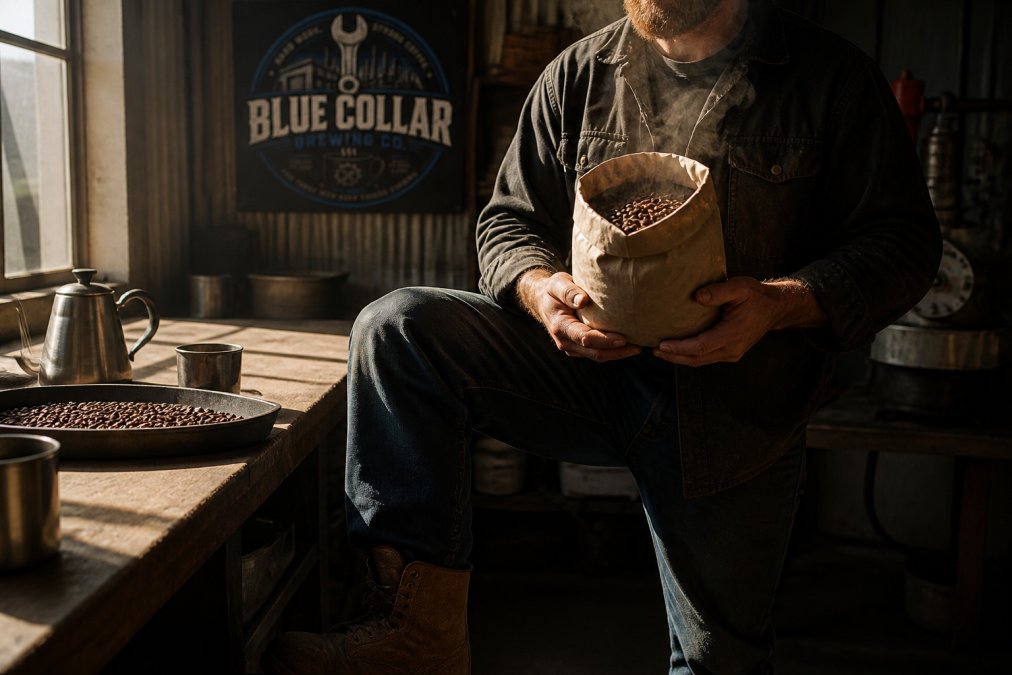
Single-origin coffees showcase terroir. Kenya from Othaya tastes bright and floral from volcanic soil and altitude. Ethiopia Natural from Sidama tastes fruity and sweet from processing and high-altitude conditions. You're tasting a place, not a formula.

Blue Collar Brewing's single-origin options include Kenya (bright acidity, citrus), Ethiopia Natural (milk chocolate, fruity), and Bali Blue (dark chocolate, molasses). Each delivers distinct flavor complexity that mass-market blends smooth away.
Specialty Blends with Intentional Roast Profiles
Specialty blends intentionally combine beans from multiple origins to create a specific flavor profile better than any single origin alone, not just to hit a price target.
Mass-market blends mix whatever beans are cheapest to hit a target price. Specialty blends combine specific origins in specific ratios to create balanced complexity, a bright Ethiopian with smooth Brazilian, for example.
Specialty blends solve a practical problem for working professionals: they're more forgiving than single-origins across different brewing methods and conditions.
Functional Coffee Blends for Long Workdays
Functional coffee adds ingredients with documented effects. Mushroom-infused coffee combines specialty-grade beans with adaptogenic mushrooms like Lion's Mane, Cordyceps, and Reishi for focus, energy, and recovery.
Cordyceps support sustained energy.
Flavored Specialty Options Without Artificial Additives
Mass-market flavored coffee uses artificial flavorings that taste chemical. Specialty flavored coffees use natural flavorings on quality beans, so you taste both coffee and flavor.
Sample Packs: Low-Risk Way to Test Multiple Origins
Sample packs solve the biggest barrier to trying specialty coffee: committing to a full bag of something you've never tasted. A sample pack contains multiple 2-ounce portions, each representing a different origin or blend. You can taste several options without waste or financial risk.
Comparison: What You're Actually Getting
The shift from mass-market to specialty coffee is a shift in how the product is made, not just a premium price tag. Here's what changes:
| Aspect | Mass-Market Coffee | Specialty Alternatives |
|---|---|---|
| Roast Timing | Weeks or months before sale | Roasted to order, 5-10 days peak freshness |
| Bean Source | Commodity blend, price-driven | Traceable single-origin or intentional blends |
| Flavor Profile | Standardized, one-dimensional | Complex, origin-specific or blend-designed |
| Roast Profile | Optimized for shelf stability | Optimized for flavor extraction |
| Packaging | Designed for long storage | Designed for freshness preservation |
| Price per Bag | $5-10 | $19-22 |
| Freshness Guarantee | None | Roasted to order |
Making the Switch: Freshness, Delivery, and Real Value
Switching to specialty coffee is straightforward, but it requires rethinking your coffee routine slightly. Mass-market coffee sits in your pantry for weeks. Specialty coffee should be consumed within 2-3 weeks of roasting for peak flavor, which means you need reliable delivery.
Conclusion
The shift from mass-market coffee brands to specialty alternatives isn't about becoming a coffee enthusiast. It's about choosing a product that actually delivers what it promises: maximum flavor, genuine aroma, and a smooth, rich experience designed for professionals who depend on coffee to fuel their day.
Frequently Asked Questions
How does fresh-roasted coffee differ from mass-market brands?
Fresh-roasted coffee is roasted within days of shipping, locking in volatile flavor compounds and aroma that fade quickly. Mass-market brands are roasted weeks or months before purchase, losing brightness and complexity. The difference shows immediately: specialty coffee has vibrant acidity, distinct tasting notes, and pronounced aroma, while grocery store options taste flat and stale. Freshness directly impacts extraction quality, fresh beans bloom properly during brewing, releasing more flavor per cup.
Is premium coffee worth the price compared to grocery store options?
Premium coffee costs more upfront but delivers measurable returns. A $19.99 bag of specialty coffee yields roughly 20-25 cups, or about 80 cents per cup. The difference: you get noticeably better flavor, more consistent quality, and beans roasted to order for maximum freshness. For workers on long shifts, the energy and focus boost from higher-quality coffee can offset the small price difference. Many find the taste improvement alone justifies the cost.
What should I look for when choosing specialty coffee beans?
Start with roast profile: light roasts highlight origin flavors and acidity, medium roasts balance sweetness and body, dark roasts deliver bold, full-bodied cups. Check the freshness date, beans should be roasted within 2-4 weeks of purchase. Look for single-origin options with clear sourcing information (region, altitude, grower), which signal quality and traceability. If you're new to specialty coffee, sample packs let you test multiple origins without committing to full bags. Pay attention to tasting notes, they guide what flavor to expect.
What are the benefits of fresh roasted coffee for your daily shift?
Fresh-roasted coffee delivers sustained energy without the jitters that come from stale beans or added sweeteners. The flavor complexity keeps your morning ritual enjoyable, which matters during long, demanding work. Better extraction from fresh beans means more efficient caffeine delivery and smoother mouthfeel, less stomach irritation than mass-market options. For workers in high-stress roles, the quality ritual of good coffee provides a mental reset. Specialty blends also offer functional options, like mushroom-infused varieties, for added focus and endurance.
Can I order specialty coffee in bulk for my crew or job site?
Yes. Blue Collar Brewing offers sample packs and individual bags starting at $19.99, and you can order multiple units for team use. For larger crew orders, contact the company directly about bulk pricing or subscription options. Sample packs like the Single Origin Favorites or Best Sellers pack ($21.99) let multiple workers try different roasts and origins. Roasted-to-order production means your bulk order arrives fresh, not sitting in inventory. Many crews find rotating through different origins keeps the coffee ritual fresh and gives everyone a choice.