

Black Coffee and Physical Endurance: Science and Strategy
Table of Contents
- How Black Coffee Affects Physical Endurance
- Caffeine Dosage for Athletic Performance
- Best Time to Drink Coffee Before Exercise
- Black Coffee vs Energy Drinks for Workouts
- Caffeine's Impact on Muscle Fatigue and Power Output
- Common Myths About Black Coffee and Hydration
- Brewing Methods and Performance Benefits
- Frequently Asked Questions
Last Updated: September 30, 2026
How Black Coffee Affects Physical Endurance
Black coffee endurance is enhanced by delivering caffeine without added sugars or calories. Caffeine blocks adenosine receptors in your central nervous system, delaying fatigue sensation so your muscles don't feel as tired during hard work.
Caffeine increases alertness and focus during exhaustive exercise when mental fatigue limits performance. It also enhances metabolism, helping your body access stored energy more efficiently during long efforts.
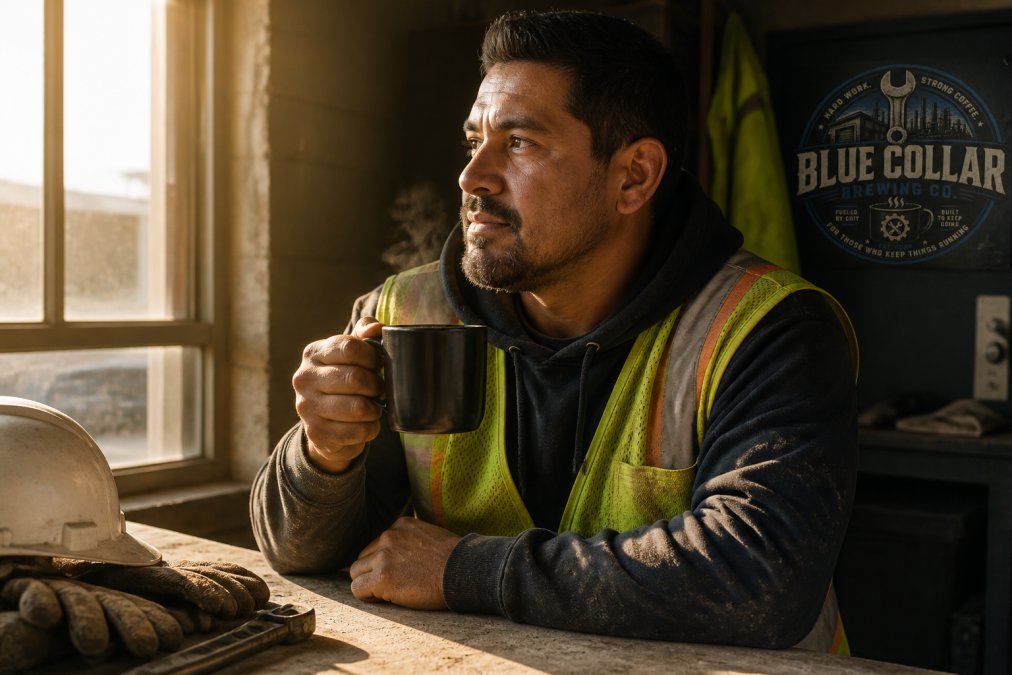
Black coffee delivers pure caffeine without the crash that follows a sugar spike, providing smooth, consistent energy for sustained performance during long shifts.
Caffeine Dosage for Athletic Performance
Effective caffeine dosage is 3-6 milligrams per kilogram of body weight, consumed 30-60 minutes before exercise (Checking your browser). For a 180-pound person (82 kg), that's roughly 245-490 milligrams.
Most black coffee contains 95-200 milligrams of caffeine per 8-ounce cup, typically within the effective range for athletes. Match your dose to your event: shorter, high-intensity efforts may need less than long endurance work.
The Tolerance Problem: Why Daily Coffee Drinkers See Diminished Returns
Tolerance builds within 3-7 days of daily use, reducing caffeine's ergogenic effects by 50% compared to occasional users. This is why timing and cycling matter as much as dosage.
Caffeine Cycling Strategies for Maintaining Sensitivity
Strategic caffeine cycling maintains sensitivity: use caffeine for key workouts rather than daily. A "5 days on, 2 days off" cycle (caffeine Monday-Friday, abstain weekends) preserves response while allowing work-week use. After 2-3 weeks, caffeine sensitivity returns to near-baseline.
For major events, stop caffeine entirely for 7-10 days before competition to reset adenosine receptors and restore full sensitivity. On race day, a standard dose produces maximum effect. The trade-off: you lose mental alertness during the abstinence period.
Withdrawal Symptoms During Cycling
Abrupt caffeine cessation causes 2-3 days of headaches, fatigue, and difficulty concentrating. To minimize withdrawal, taper gradually: reduce from 2 cups to 1 cup for 2-3 days, then stop.
Individual Variability in Caffeine Response
Genetic differences determine caffeine metabolism: fast metabolizers clear it in 3-5 hours and may need higher doses; slow metabolizers retain it 8-10+ hours and may experience jitteriness or sleep disruption. Adjust dosing accordingly.
Estimate your status by observing caffeine duration: alert until noon = fast metabolizer; effects into evening = slow metabolizer.
Best Time to Drink Coffee Before Exercise
Timing your black coffee intake is as important as the dose itself. Caffeine reaches peak blood levels 30-60 minutes after you drink it, so consume your coffee 30-45 minutes before you plan to start your workout or shift. This window gives the stimulant time to enter your system and block adenosine receptors while you're ramping up your physical effort.
Drinking coffee too early, say, two hours before exercise, means the caffeine peak passes before you need it. Drinking it too close to your start time means you're still absorbing it when you're already working hard. The 30-45 minute window is the sweet spot for most people.
Your digestive system also matters. Black coffee on an empty stomach hits faster than coffee consumed after a meal. If you eat breakfast before your workout, adjust your timing accordingly. Some athletes find that coffee with a small amount of carbohydrate (a banana, toast) provides sustained energy better than coffee alone, especially for efforts lasting over an hour.
Black Coffee vs Energy Drinks for Workouts
For black coffee endurance, it outperforms most commercial energy drinks for one simple reason: it delivers caffeine without the excess sugar and artificial additives that can slow you down. A typical energy drink contains 80-300 milligrams of caffeine, but also 25-54 grams of sugar. That sugar creates a blood glucose spike followed by a crash, which undermines endurance performance.
Black coffee gives you the stimulant effect, increased alertness, delayed fatigue perception, enhanced focus, without the metabolic disruption. You get pure caffeine and aromatic compounds that enhance the drinking experience. For construction workers, logistics professionals, and other blue-collar workers grinding through long physical shifts, black coffee is the straightforward choice.
Some commercial pre-workout supplements contain caffeine plus other ergogenic aids like beta-alanine or citrulline malate. These may offer additional benefits for specific types of exercise, but they come with higher cost and more complex ingredient lists. Black coffee is simpler, cheaper, and proven effective for sustained endurance work.
| Option | Caffeine per Serving | Added Sugar | Cost per Serving | Best For |
|---|---|---|---|---|
| Black Coffee (8 oz) | 95-200 mg | 0g | $0.50-$2.00 | General endurance, daily use |
| Energy Drink | 80-300 mg | 25-54g | $2.00-$4.00 | Quick spike, occasional use |
| Pre-workout Powder | 150-300 mg | 0-10g | $1.00-$3.00 | Intense training, specific goals |
Caffeine's Impact on Muscle Fatigue and Power Output
Caffeine delays the onset of muscle fatigue by working on your central nervous system, not your muscles directly. It blocks adenosine, a compound that accumulates during exercise and signals fatigue. By blocking that signal, caffeine allows you to sustain higher power output for longer periods. Your muscles aren't actually less tired, your brain perceives fatigue differently.
This effect is most pronounced during exhaustive exercise when glycogen stores deplete and central nervous system fatigue becomes the limiting factor. Many endurance athletes report that caffeine lets them maintain pace in the final stages of long efforts when they would normally slow down. The cognitive benefit, sharper focus, better decision-making, also supports consistent power output when mental fatigue would otherwise cause performance to drop.
Power output improvements from caffeine are modest but real. Many athletes experience 2-5% improvements in speed or power during endurance efforts. For competitive athletes, that's significant. For working professionals doing physically demanding jobs, caffeine helps you maintain consistent effort throughout your shift without the energy dip that comes mid-morning or mid-afternoon.
Common Myths About Black Coffee and Hydration
The biggest myth about black coffee is that it dehydrates you. This is wrong. While caffeine is a mild diuretic, the fluid volume in coffee far outweighs any diuretic effect. Drinking a cup of black coffee provides net hydration, not dehydration. Your body retains most of the water.
This matters for endurance athletes and workers on long shifts. You can drink black coffee as part of your hydration strategy without worry. In fact, many blue-collar workers use coffee as their primary fluid intake during the workday, and they perform fine. The hydration benefit of the water in the coffee exceeds any diuretic effect from the caffeine.
Another common misconception is that black coffee "burns fat" or creates metabolic magic. Caffeine does increase metabolism slightly, but the effect is small and temporary. It's not a weight-loss tool. What caffeine does do is enhance your ability to sustain physical effort, which means you can work harder and longer. That increased activity is where any metabolic benefit comes from, not from the caffeine itself.
Some people worry that caffeine interferes with recovery. Moderate caffeine consumption (under 400 milligrams per day) does not impair sleep or recovery if consumed more than 6-8 hours before bedtime. For workers on early morning shifts, this is rarely an issue. Consume your coffee at the start of your day, and it won't affect your sleep that night.
Brewing Methods and Performance Benefits
The brewing method you choose directly affects caffeine concentration, absorption speed, and how your stomach handles coffee during intense physical effort. This matters more than most athletes realize, especially during endurance events where stomach comfort is critical.
Espresso vs. Drip vs. Cold Brew: Performance Differences
Espresso delivers the highest caffeine concentration per ounce, roughly 63-75 milligrams in a 1-ounce shot, but the small volume means total caffeine per serving is modest (126-150 mg for a double shot). The advantage is speed: espresso is absorbed faster because it's concentrated and requires less total fluid volume.
Grind Size and Extraction Rate
Water Temperature and Stomach Acidity
Practical Timing for Different Brewing Methods
Consistency Over Optimization
Frequently Asked Questions
Does black coffee actually increase endurance during physical work?
Yes. Caffeine in black coffee blocks adenosine receptors in your central nervous system, reducing the perception of muscle fatigue and delaying exhaustion. Studies show caffeine improves aerobic capacity and helps athletes sustain effort longer. The effect is most noticeable during endurance activities lasting 30 minutes or more. For manual laborers and construction workers, this means better sustained performance during long shifts without the energy crash from sugary alternatives.
How much caffeine should I consume for athletic performance?
The effective dosage is 3-6 mg of caffeine per kilogram of body weight, taken 30-60 minutes before exercise. For a 180-pound (82 kg) worker, that's roughly 245-490 mg, about 2-5 cups of black coffee depending on brew strength. Start at the lower end to assess tolerance. More is not better; excessive caffeine causes jitters, anxiety, and diminished returns.
Is black coffee better than energy drinks for physical performance?
Black coffee outperforms most energy drinks for endurance. Energy drinks contain added sugars, artificial sweeteners, and multiple stimulants that cause rapid energy spikes followed by crashes. Black coffee delivers pure caffeine with no fillers, supporting steady performance. For manual laborers seeking jitter-free energy, black coffee avoids the sugar overload and artificial additives that leave you feeling depleted. It's a cleaner, more reliable fuel source.
Will drinking black coffee before work dehydrate me?
No. While caffeine has mild diuretic properties, the fluid from the coffee offsets this effect in most people. Moderate caffeine intake (under 500 mg daily) does not cause net dehydration if you maintain normal water intake. The myth persists because high doses can increase urination, but typical pre-work coffee consumption does not impair hydration. Continue drinking water throughout your shift as you normally would, caffeine does not change your hydration needs.