

Fair Trade Tea: Real Benefits for Growers and You
Table of Contents
- What Is Fair Trade Tea and How Does It Work
- Fair Trade Tea vs Regular Tea: Key Differences
- Health Benefits of Fair Trade Tea
- Health Benefits of Green Tea in Fair Trade Options
- How to Identify Fair Trade Tea When Shopping
- The Real Impact: Fair Trade Premiums and Community Outcomes
- Fair Trade Tea Options to Try
- Frequently Asked Questions
Last Updated: October 5, 2026
What Is Fair Trade Tea and How Does It Work
Fair trade tea is a certification system that ensures tea farmers and workers receive fair compensation for their labor and that production meets environmental standards, delivering fair trade tea benefits that extend beyond the cup to farming communities and ecosystems. When you choose fair trade tea, you're supporting a supply chain designed to benefit the people who grow it.
Here's how it works in practice: Fair trade organizations set minimum prices that tea growers must receive, regardless of market fluctuations (Fairtrade Minimum Price and Premium Information). They also require producers to invest a portion of profits back into their communities through education, healthcare, or infrastructure projects. These aren't just feel-good promises, they're contractual obligations verified through independent audits.
The certification process is rigorous. Farms must demonstrate that workers earn livable wages, work in safe conditions, and have access to clean water and basic facilities. Environmental standards prohibit the most harmful synthetic chemicals and require sustainable soil management. Tea growers who meet these standards can sell their product with the fair trade label, which signals to consumers that the tea was produced responsibly.
At Blue Collar Brewing, we understand that the tea you drink connects you to real people and real communities.
Fair Trade Tea vs Regular Tea: Key Differences
The difference between fair trade tea and conventional tea comes down to transparency, pricing, and impact. Regular tea production often prioritizes volume and cost-cutting, while fair trade prioritizes people and sustainability.
Farmer income is the most direct difference. Conventional tea farmers operate in a volatile market where prices can drop sharply, sometimes below production costs. Fair trade establishes a price floor, ensuring growers earn a predictable income.
Environmental practices diverge significantly. Conventional tea farms frequently use synthetic pesticides and fertilizers that degrade soil health and contaminate water supplies. Fair trade-certified farms must adopt sustainable agriculture methods that protect soil, reduce chemical runoff, and preserve biodiversity.
Supply chain transparency is another key distinction. With regular tea, you often don't know where it came from, who grew it, or under what conditions. Fair trade tea comes with traceability, you can track it back to specific farms and communities.
Community investment separates the two models fundamentally. Fair trade requires producers to contribute to a community development fund. These premiums have funded schools, health clinics, and clean water systems in tea-growing regions. Conventional tea offers no such mechanism.
The price difference reflects these realities. Fair trade tea typically costs more per ounce because the full cost of ethical production is factored in. Regular tea appears cheaper because those costs are externalized, pushed onto farmers, workers, and the environment.
Health Benefits of Fair Trade Tea
Understanding fair trade tea benefits means recognizing that the health benefits of fair trade tea are identical to those of conventionally grown tea of the same type. Fair trade certification addresses how tea is produced, not what's in the cup. A fair trade green tea delivers the same antioxidants and polyphenols as any other green tea.
However, there's an important distinction: fair trade standards prohibit the most dangerous synthetic pesticides. This means fair trade tea likely contains fewer chemical residues than conventionally grown tea. If you're concerned about pesticide exposure, fair trade tea offers measurable reassurance.
Antioxidants and Polyphenols in Fair Trade Tea
Tea contains powerful compounds called polyphenols, which function as antioxidants in your body. These molecules help neutralize free radicals, unstable atoms that contribute to aging and disease. Green tea is particularly rich in polyphenols, containing compounds like EGCG (epigallocatechin gallate) that researchers have studied extensively (pubmed.ncbi.nlm.nih.gov).
The antioxidant content doesn't change based on fair trade certification. A fair trade green tea from a small farm in Kenya contains the same beneficial compounds as any other green tea. What changes is the farming method: fair trade farms avoid synthetic chemicals that could interfere with the plant's natural development or leave residues on the leaves.
Polyphenols are most concentrated in green tea and white tea because these varieties undergo minimal processing. Black tea and oolong contain fewer polyphenols due to oxidation during production, but they're still valuable sources of antioxidants. The type of tea matters more than the certification for antioxidant content.
Heart Health and Cardiovascular Benefits
Tea drinkers have lower rates of heart disease compared to non-tea drinkers. The polyphenols in tea support cardiovascular health through multiple mechanisms: they reduce inflammation in blood vessels, improve cholesterol profiles, and support healthy blood pressure.
Regular tea consumption, even just 2-3 cups daily, is associated with better cardiovascular outcomes (pubmed.ncbi.nlm.nih.gov). The compounds in tea help relax blood vessel walls, improving blood flow and reducing the workload on your heart. This benefit applies to fair trade tea just as much as any other tea, since the active compounds remain unchanged.
Fair trade certification doesn't enhance cardiovascular benefits, but it does remove a potential concern: pesticide residues that might accumulate in your body over time. If you're drinking tea for heart health, fair trade tea ensures you're getting the benefits without the burden of chemical exposure.
Blood Sugar, Metabolism, and Weight Management
Tea influences how your body processes carbohydrates and manages blood sugar. The polyphenols in tea slow carbohydrate absorption in your digestive system, preventing sharp spikes in blood glucose. This effect helps maintain steady energy levels and reduces the stress on your pancreas.
Green tea, in particular, has been studied for its effects on metabolism. The combination of caffeine and polyphenols appears to increase fat oxidation, your body's ability to burn stored fat for energy. This doesn't mean tea is a weight loss solution, but it supports a healthy metabolism when combined with exercise and balanced nutrition.
Fair trade tea delivers these metabolic benefits identically to conventional tea. The certification focuses on how the tea is grown and traded, not on altering its chemical composition. Your body processes fair trade green tea the same way it processes any other green tea.
Health Benefits of Green Tea in Fair Trade Options
Green tea stands out among teas for its minimal processing and maximum polyphenol retention. When tea leaves are harvested and immediately heated to prevent oxidation, they retain nearly all of their beneficial compounds. This is why green tea consistently ranks as one of the most nutrient-dense beverages available.
Fair trade green tea options are widely available because many tea farmers in regions like Kenya, Rwanda, and India have adopted fair trade certification. These regions produce excellent green teas that meet both health and ethical standards. When you choose fair trade green tea, you're getting a product that's been carefully cultivated to preserve its nutritional profile while supporting sustainable farming practices.
The ritual of drinking green tea, taking time to brew it properly and enjoy it mindfully, amplifies its benefits. Fair trade green teas often come loose-leaf, which encourages slower preparation and more intentional consumption. This mindfulness itself supports better digestion and stress reduction.
How to Identify Fair Trade Tea When Shopping
Fair trade certification is marked by a specific logo on packaging: a circular seal with black and white stripes and a person's silhouette. This logo is your guarantee that the tea has been independently audited and meets fair trade standards. Look for it on the front or back of the package.
Beyond the logo, check the label for the certifying organization's name. The main fair trade certifiers are Fair Trade USA, Fair Trade International, and similar bodies in other countries. These organizations maintain public registries of certified producers, so you can verify a tea's authenticity if you're skeptical.
Read the origin information on the package. Fair trade tea should clearly state which farm or region produced it. Some fair trade teas even include the farmer's name or a QR code linking to the farm's story. This transparency is part of what fair trade certification ensures.
Price is another indicator. Fair trade tea typically costs more than conventional tea because the production standards are higher and the premiums are paid. If a tea is labeled "fair trade" but priced identically to regular tea, that's a red flag.
Purchase from established retailers who specialize in tea or from fair trade-certified brands. These sources have already done the verification work. Blue Collar Brewing's tea selections are carefully sourced from trusted farms around the world, ensuring you get quality tea without guessing.
The Real Impact: Fair Trade Premiums and Community Outcomes
Fair trade premiums create measurable change in tea-growing communities. These aren't abstract benefits, they're concrete investments that improve lives and protect the environment.
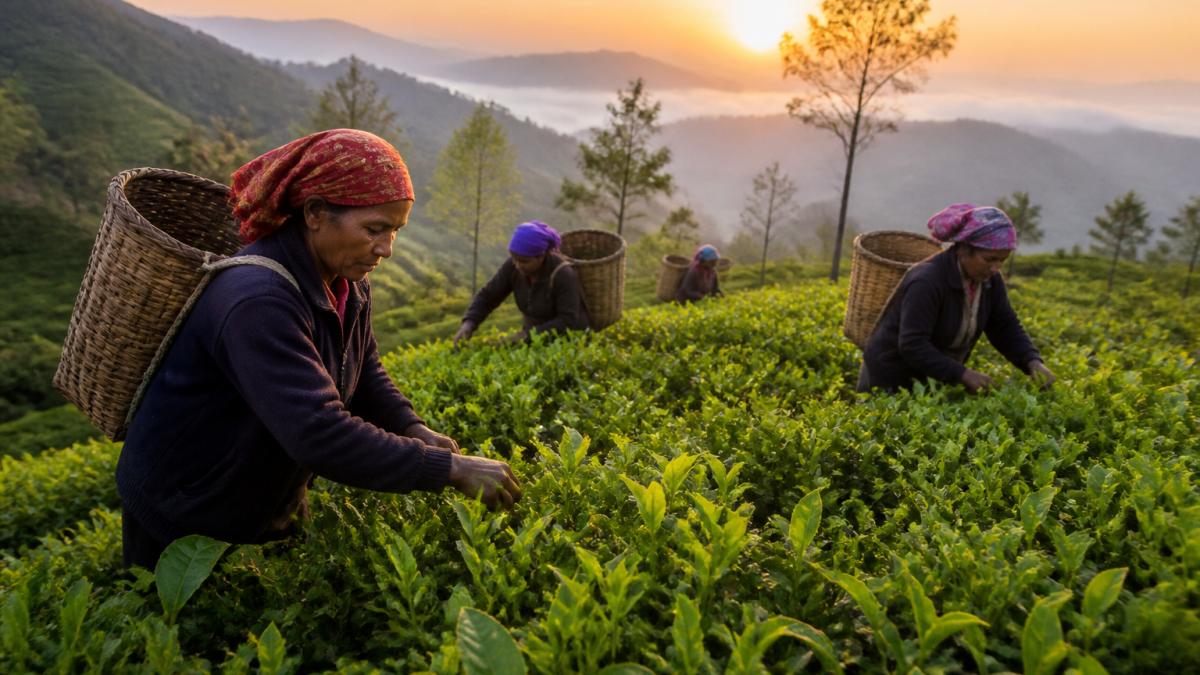
When a fair trade tea farmer sells their crop, they receive a guaranteed minimum price plus an additional premium, typically 10-15% above the base price. This premium goes into a community development fund managed by local cooperatives.
These funds have built schools in rural tea-growing regions, funded scholarships for children, and installed clean water systems. In some areas, fair trade premiums have supported healthcare clinics and maternal care programs.
Fair trade also improves working conditions directly. Certified farms must provide safe equipment, limit working hours, and ensure workers have access to clean water and sanitation. Children are prohibited from working in tea fields.
The environmental impact extends beyond individual farms. Fair trade standards prohibit the most damaging synthetic chemicals, which means less soil degradation and less contamination of water supplies.
Fair trade certification also strengthens farmer cooperatives, giving small producers collective bargaining power. Instead of negotiating individually with large buyers, farmers in a cooperative can negotiate as a group, securing better terms and sharing knowledge about sustainable practices.
Fair Trade Tea Options to Try
Blue Collar Brewing offers several tea selections that align with fair trade principles and sustainable sourcing. Each one delivers the smooth, rich experience our customers expect, with the added confidence that comes from knowing where it came from.
Our Moroccan Mint ($14.99) combines green tea with fresh mint in a blend that's refreshing whether you brew it hot or iced.

For those seeking traditional green tea preparation, our Matcha ($18.99) is crafted for ceremonial use. Matcha delivers the full spectrum of green tea's benefits in a concentrated form, with polyphenols that support sustained energy without the jitters.

If you prefer black tea, our English Breakfast ($14.99) blend combines African and Indian teas into a strong, full-bodied cup.
Our Jasmine ($14.99) pairs hand-picked jasmine blossoms with green tea, creating a delicate, naturally sweet cup. The jasmine adds floral notes without artificial flavoring, and the green tea base ensures you're getting antioxidant benefits in every steep.
For herbal alternatives, our Apple Cider Rooibos ($14.99) offers naturally caffeine-free comfort with warming spices.

Each of these teas is sourced from trusted farms and selected for maximum flavor and aroma.
Fair trade tea delivers real benefits for the people who grow it and for you. When you understand what fair trade certification means, guaranteed fair wages, environmental protection, and community investment, you can make a choice that aligns with your values.
Frequently Asked Questions
What are the main health benefits of drinking fair trade tea?
Tea delivers the same health benefits as any quality tea: antioxidants and polyphenols that support heart health, help regulate blood sugar, and boost immune function. The health benefits come from the tea itself; our careful sourcing ensures quality and supports sustainable practices that protect soil health.
Is fair trade tea healthier than conventional tea?
Tea is not inherently healthier than conventional tea in terms of nutrition. Both contain antioxidants, polyphenols, and the same bioactive compounds. The difference lies in production methods and farmer welfare. Our carefully sourced teas support sustainable agriculture and quality production. If health is your only concern, quality matters most.
How can you tell if tea is actually fair trade certified?
Look for official certification labels on the packaging. Fair Trade USA and Fairtrade International are the two main certifiers in the U.S. market. Their logos appear directly on the tea box or bag. When shopping, check the ingredient list and packaging for these seals. If a seller claims 'fair trade' without a visible certification mark, ask for documentation.
What makes green tea so beneficial for health?
Green tea contains high concentrations of polyphenols, particularly catechins, which are powerful antioxidants. These compounds support cardiovascular health by improving cholesterol levels and blood flow, help regulate blood sugar to prevent spikes, and boost metabolism. Green tea also contains L-theanine, an amino acid that promotes calm focus without the jitters of coffee. Fair trade green options like Moroccan Mint and Jasmine from Blue Collar Brewing deliver these benefits while supporting sustainable farming. Regular consumption of green tea has been linked to improved digestion, better immune function, and mental clarity, making it an excellent choice for hardworking professionals needing sustained energy.