

Benefits of Fresh Roasted Coffee Beans
Table of Contents
- Why Fresh Roasted Coffee Matters for Flavor and Health
- How to Tell if Coffee Is Fresh
- The Coffee Degassing Process and What It Means
- Antioxidants and Health Benefits in Fresh Roasted Coffee
- Best Way to Store Coffee Beans for Maximum Freshness
- How Brewing Method Affects Nutrient Extraction
- Roast Level Impact on Antioxidants and Flavor
- Frequently Asked Questions
Last Updated: August 31, 2026
Why Fresh Roasted Coffee Matters for Flavor and Health
Fresh roasted coffee delivers maximum flavor complexity, aroma, and nutritional compounds within a critical window after roasting. At Blue Collar Brewing, we roast every batch to order because this freshness window is the foundation for everything else.
Fresh roasted coffee contains volatile compounds and aromatic molecules that begin degrading the moment roasting stops. Within days, oxidative stress breaks down beneficial compounds like chlorogenic acids, polyphenols, and mental-alertness enhancers. For hardworking professionals who rely on coffee as fuel, choosing fresh roasted coffee means getting actual performance from every cup, not just caffeine and habit.
How to Tell if Coffee Is Fresh
Identifying fresh roasted coffee beans requires checking three signals: the roast date, the bean appearance, and the sensory cues.
Check the roast date on the bag
The roast date is your most reliable indicator. Look for a printed date on the bag, not a "best by" or "packaged" date, but the actual roast date. Fresh roasted coffee should be no more than 14 days old at purchase, ideally closer to 7 days (peer-reviewed research). If no roast date appears, that's a red flag. Reputable roasters who prioritize freshness always print it. Blue Collar Brewing prints the roast date on every bag because we roast to order, your coffee is roasted specifically for you.
Look for visible surface oils (or lack thereof)
Freshly roasted coffee beans often display visible surface oils, especially in medium and dark roasts. These oils contain flavor compounds and aromatic molecules, a sign the roasting was recent and volatile compounds are still present. As beans age, those oils oxidize and the beans look duller. Combined with the roast date and smell, the visual appearance confirms freshness.
Smell and listen to the beans
Open the bag and smell immediately. Fresh roasted coffee beans have an intense, complex aroma with specific character: chocolate notes, fruity notes, caramel, brightness. Stale coffee smells flat and muted.
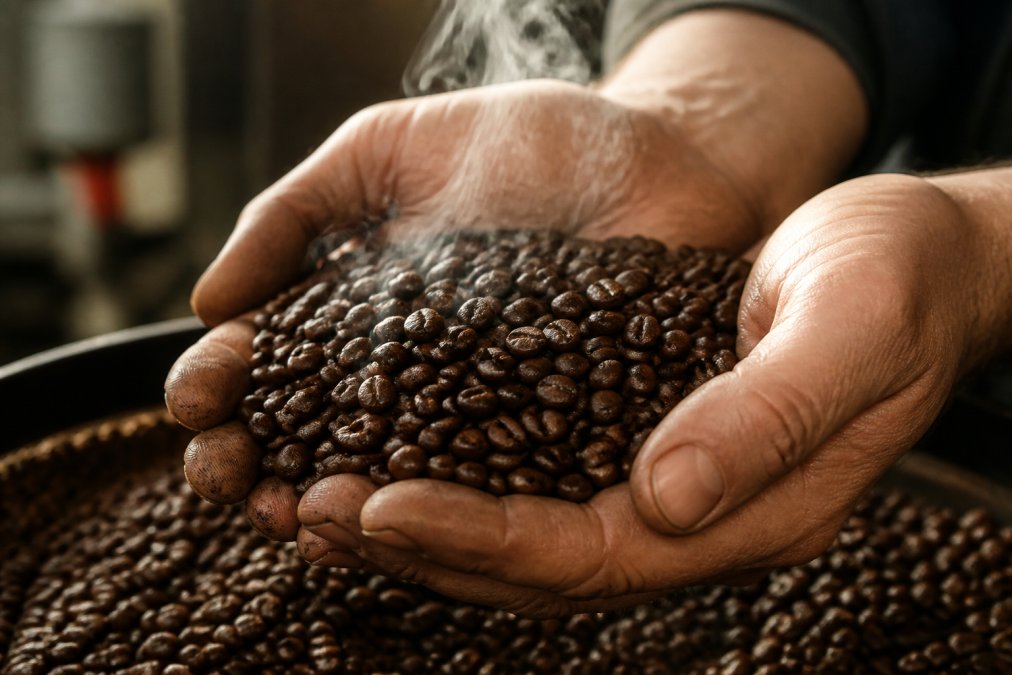
Fresh roasted beans are still actively degassing, releasing CO2 trapped during roasting. If you pour fresh beans into a grinder or cup and listen closely, you'll hear a faint crackling or popping sound as gas escapes. Once that sound stops, the beans are no longer in their peak freshness window.
The Coffee Degassing Process and What It Means
When coffee beans are roasted, intense heat causes moisture inside the bean to turn to steam and creates CO2 as a byproduct of the chemical reactions that develop flavor. That gas is trapped inside the bean structure. Once roasting stops and beans cool, they begin releasing trapped CO2. This degassing is most active in the first 24-48 hours, then continues at a slower rate for the next 7-10 days (peer-reviewed research). By day 14, most degassing is complete.
CO2 trapped in the bean structure actually interferes with water penetration during brewing. Beans that are degassing too actively (less than 24 hours old) will produce uneven extraction. This is why many specialty coffee enthusiasts recommend waiting 24-48 hours after roasting before brewing.
Once degassing is complete, the beans begin a different degradation process. Volatile compounds start oxidizing and chlorogenic acids break down. The beans are no longer improving, they're declining. This is why fresh roasted coffee beans in their second and third week are still excellent, but by week four, you're losing measurable nutritional density and flavor complexity.
The degassing process is also why storage method matters. Beans need to release gas (which is why vacuum-sealed bags aren't ideal), but they also need protection from oxygen once degassing is complete. An airtight container that allows some gas exchange is the practical solution.
Antioxidants and Health Benefits in Fresh Roasted Coffee
The health benefits of fresh roasted coffee beans stem from specific compounds that degrade over time: chlorogenic acids, polyphenols, and other antioxidants that combat oxidative stress in your body.
Chlorogenic acids and oxidative stress
Chlorogenic acid is a polyphenol compound that makes up roughly 5-8% of the coffee bean by weight (peer-reviewed research). During roasting, some is broken down (which is why dark roasts have less than light roasts), but the remaining amount is potent. This compound has antioxidant properties that help neutralize free radicals in your body, reducing cellular damage that contributes to aging and chronic disease.

Light roasts retain the highest chlorogenic acid content because less of the compound is broken down by heat. But here's the critical part: chlorogenic acid content drops measurably within the first 2-3 weeks after roasting. A light roast that's one week old contains more bioavailable chlorogenic acid than the same roast that's four weeks old.
Mental alertness and sustained energy
The caffeine content of fresh roasted coffee is stable and doesn't degrade significantly over time. What changes is the supporting cast of compounds that modulate how your body processes that caffeine. Fresh roasted coffee contains higher levels of compounds that slow caffeine absorption, creating sustained energy rather than a spike and crash.
As beans age, these modulating compounds degrade. You're left with caffeine hitting your system faster and harder, followed by a sharper drop. This is why many people report that fresh roasted coffee provides steadier energy and better mental alertness compared to older beans.
Cardiovascular and metabolic benefits
The polyphenols and chlorogenic acids in fresh roasted coffee beans support cardiovascular health by improving blood vessel function and reducing inflammation. These compounds help maintain healthy blood pressure and support the cardiovascular system's ability to regulate blood flow.
Fresh roasted coffee can support healthy blood sugar control by slowing glucose absorption. These benefits are most pronounced when you're drinking fresh roasted coffee regularly. A single cup provides some benefit, but the cumulative effect of consistent consumption of high-quality, fresh beans is where the real health impact emerges.
Best Way to Store Coffee Beans for Maximum Freshness
Storage is where most people sabotage the freshness they paid for. The goal is simple: protect the beans from oxygen, light, heat, and moisture while allowing residual CO2 to escape.
Airtight containers away from light and heat
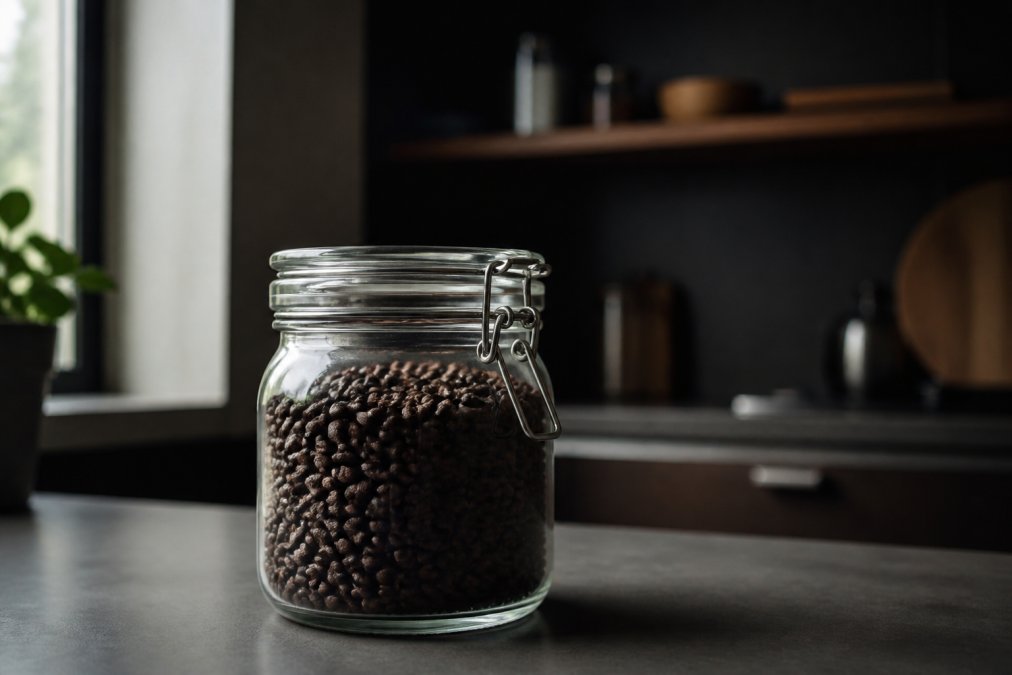
The ideal storage container is opaque (blocks light), airtight (minimizes oxygen exposure), and kept in a cool, dark place. Glass containers with airtight seals or stainless steel canisters work well. The key is that the container itself blocks light.
Temperature matters significantly. Room temperature (around 70°F) is acceptable. Cooler is better. Heat accelerates oxidation, so avoid storing coffee near the stove, in direct sunlight, or anywhere that gets warm. Humidity is the enemy. Coffee is hygroscopic, meaning it absorbs moisture from the air. Keep beans away from the kitchen sink, dishwasher, and anywhere with steam or humidity.
The container should allow some gas exchange if the beans are still actively degassing (first 7-10 days), but once degassing is complete, airtight is better. One-way valve bags are designed for this, letting gas escape but preventing oxygen from entering.
Why freezing and refrigeration backfire
Many people assume that freezing or refrigerating coffee extends freshness. It doesn't. When you remove beans from the freezer or refrigerator, they warm up and moisture from the air condenses on their surface. This moisture exposure triggers oxidation and can promote mold growth. Every freeze-thaw cycle damages the beans.
Room temperature storage in an airtight, opaque container is superior to refrigeration or freezing. The beans stay stable, continue their natural degassing process, and avoid the moisture damage that cold storage introduces.
How Brewing Method Affects Nutrient Extraction
The way you brew coffee determines how completely the hot water extracts beneficial compounds from the beans. Different brewing methods have different contact times, water temperatures, and filtration methods.
Longer contact time extracts more compounds. French press brewing, which involves steeping grounds in hot water for 4 minutes, extracts more chlorogenic acids and polyphenols than espresso, which contacts water for only 25-30 seconds. Paper filters remove oils and some compounds, creating a cleaner cup with lower antioxidant concentration. Metal filters retain all oils and compounds, creating fuller extraction of beneficial compounds.
Water temperature matters too. Hotter water (200-205°F) extracts more compounds than cooler water. For maximum nutrient extraction, a pour-over or French press with freshly ground beans and water at 200-205°F will pull the most chlorogenic acids and polyphenols from the beans.
The practical takeaway: use the brewing method you enjoy, but grind fresh roasted coffee beans immediately before brewing. Whole bean coffee stays fresh for weeks; ground coffee degrades within hours.
Roast Level Impact on Antioxidants and Flavor
The roasting temperature and duration fundamentally change the nutrient profile and flavor of the beans.
Light roasts retain more chlorogenic acid
Light roasts are roasted to the first crack, the point where the bean structure expands and audibly cracks from internal steam pressure. This means more chlorogenic acid and other heat-sensitive compounds survive intact. Light roasts have brighter acidity, more complex flavor notes (often fruity or floral), and the highest antioxidant content. If your goal is maximum chlorogenic acid and polyphenol intake, light roasts are the most efficient choice.
The flavor complexity of light roasts depends heavily on freshness. A light roast that's one week old is vibrant and nuanced. The same roast at four weeks old tastes flat and one-dimensional.
Medium and dark roasts offer different benefits
Medium roasts are roasted past the first crack but before the second crack. At this point, the roasting has developed deeper flavors, chocolate, caramel, nuts, while still retaining meaningful chlorogenic acid.

Dark roasts are roasted through the second crack and beyond. The extended roasting breaks down more chlorogenic acid, but it also creates new compounds through the Maillard reaction and caramelization. Dark roasts have lower chlorogenic acid but different antioxidants and compounds that also have health benefits. The flavor is bold, smooth, and less acidic. If digestive comfort is a concern, dark roasts are often gentler because the extended roasting breaks down some compounds that can trigger acid reflux.
For fresh roasted coffee beans, the roast level you choose should match your priorities. Light roasts for maximum antioxidants and complexity. Medium roasts for balance. Dark roasts for smooth flavor and digestive comfort. But in all cases, freshness amplifies the benefits.
Fresh roasted coffee beans are the foundation of a better daily coffee experience. The difference between a bag roasted last week and one roasted two months ago affects flavor, aroma, mental clarity, and the actual nutrient density you're consuming. Blue Collar Brewing roasts every batch to order, which means your coffee arrives at peak freshness, delivering the flavor and benefits you're actually paying for. Whether you're starting an early shift or taking a break during a long day, fresh roasted coffee provides the sustained energy and rich experience that stale beans simply can't match. Shop Coffee and experience the difference that true freshness delivers.
Frequently Asked Questions
Q: Are freshly roasted coffee beans actually better for you?
A: Yes. Fresh roasted coffee retains significantly more antioxidants and chlorogenic acids than older beans. These compounds break down over time through oxidation and exposure to air. Fresh beans roasted within days deliver higher levels of polyphenols and bioavailable nutrients that support cardiovascular health, mental alertness, and metabolic function. The difference is most noticeable within 2-3 weeks of roasting.
Q: How can you tell if coffee beans are truly fresh?
A: Check the roast date on the bag, ideally within 7-14 days of purchase. Fresh beans have a strong, complex aroma and may show slight surface oils depending on roast level. Stale beans smell flat or musty. Listen when you pour them; fresh beans produce a subtle crackling sound from residual degassing. Beans older than 4 weeks lose flavor complexity and nutrient density noticeably.
Q: What is the coffee degassing process and why does it matter?
A: Degassing is the release of carbon dioxide gas from beans after roasting. Fresh beans degas for 12-72 hours post-roast, which is why they taste better when brewed a few days after roasting, the gas has partially escaped but volatile flavor compounds remain intact. Over-degassed beans (weeks old) lose aromatic compounds entirely. Understanding degassing helps explain why 'to order' roasting delivers superior flavor and aroma compared to shelf-aged coffee.
Q: How long should you wait to drink freshly roasted coffee?
A: Wait 3-5 days after roasting before brewing for optimal flavor and reduced bitterness from excess CO2. However, fresh roasted coffee is still superior to pre-roasted beans even at 1-2 days post-roast. The ideal window for maximum antioxidant content and flavor complexity is 7-21 days after roasting. After 4 weeks, antioxidant levels and aromatic volatility decline noticeably, making fresher beans a better choice for health benefits.
Q: Does fresh roasted coffee contain more antioxidants than pre-roasted coffee?
A: Yes. Fresh roasted coffee contains measurably higher levels of chlorogenic acids and polyphenols compared to coffee that has been roasted and stored for weeks or months. These antioxidants protect cells from oxidative stress and free radical damage. The roasting process itself creates beneficial compounds, but they degrade through oxidation and volatile compound loss over time. Beans roasted to order preserve these health compounds far longer than shelf-aged alternatives.
Q: What roast level has the most health benefits?
A: Light roasts retain the highest chlorogenic acid content, which is associated with metabolic and cardiovascular benefits. Medium roasts offer a balance of antioxidants and smoother flavor. Dark roasts contain slightly fewer chlorogenic acids but develop different beneficial compounds during extended roasting. For maximum antioxidant density, light to medium roasts are ideal. However, all fresh roasted coffee delivers superior health benefits compared to stale pre-roasted options, regardless of roast level.
This article was written using GrandRanker